Audio-only or video podcast: what should you record?
How audience behaviour, distribution plans and production budget should shape the format before the microphones go live.
The right format is not decided by what looks most impressive in the studio. It is decided by where the audience will find the show, how consistently the team can produce it and what each episode needs to achieve.
Audio-only recording is focused, efficient and ideal for listeners who consume podcasts while travelling or working. Video creates more discovery opportunities across YouTube, LinkedIn, Instagram and TikTok, but it also adds visual preparation and post-production.
When audio-only is the stronger choice
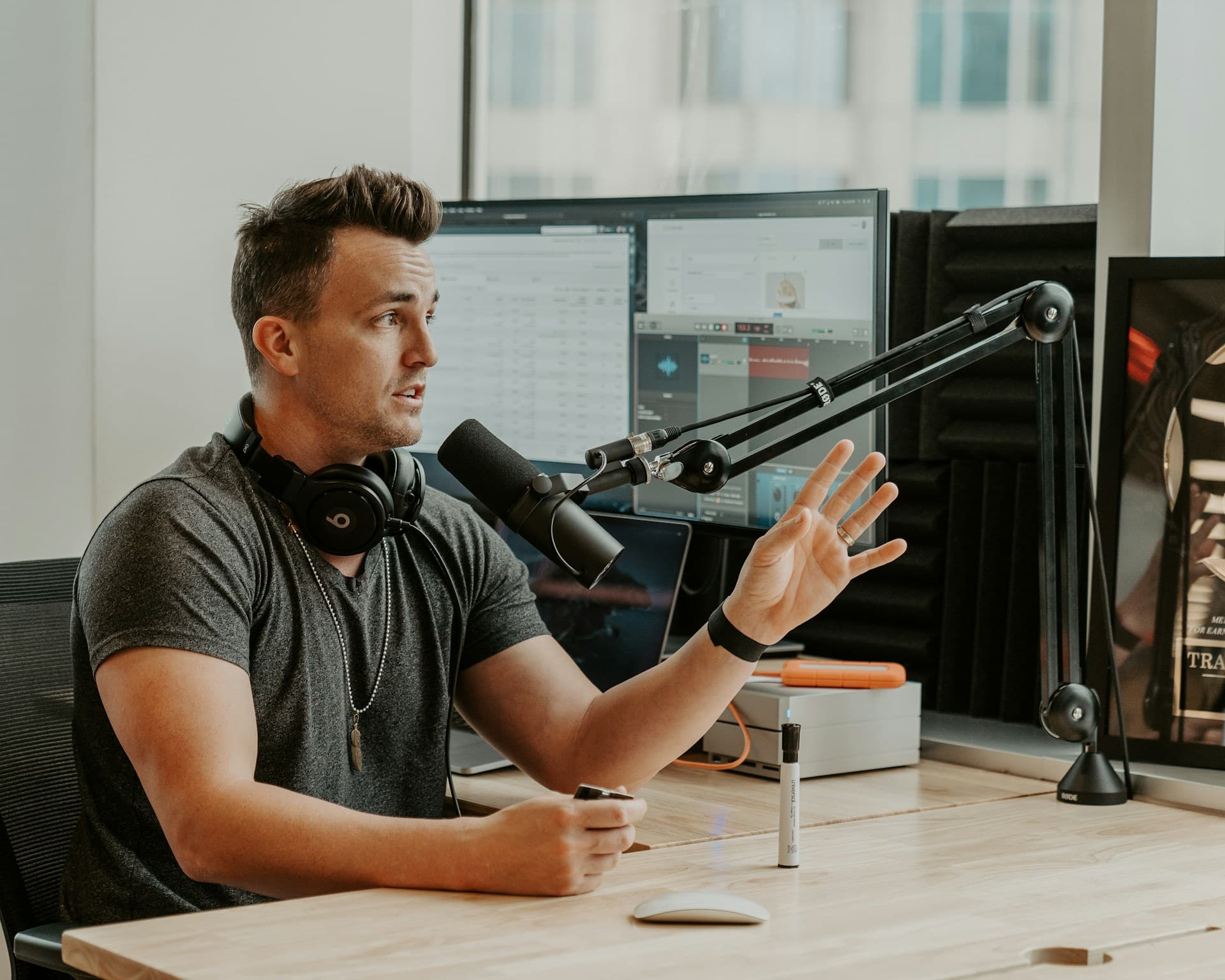
Audio works particularly well for expert interviews, internal conversations, narrative formats and shows where the listener needs to concentrate on ideas rather than visuals. The session can be lighter, guest preparation is simpler and the edit usually has fewer moving parts.
It is also a sensible starting point for a new series. A consistent audio show that publishes every fortnight will build more trust than an ambitious video format that becomes too expensive or complicated to maintain.
When video earns its place
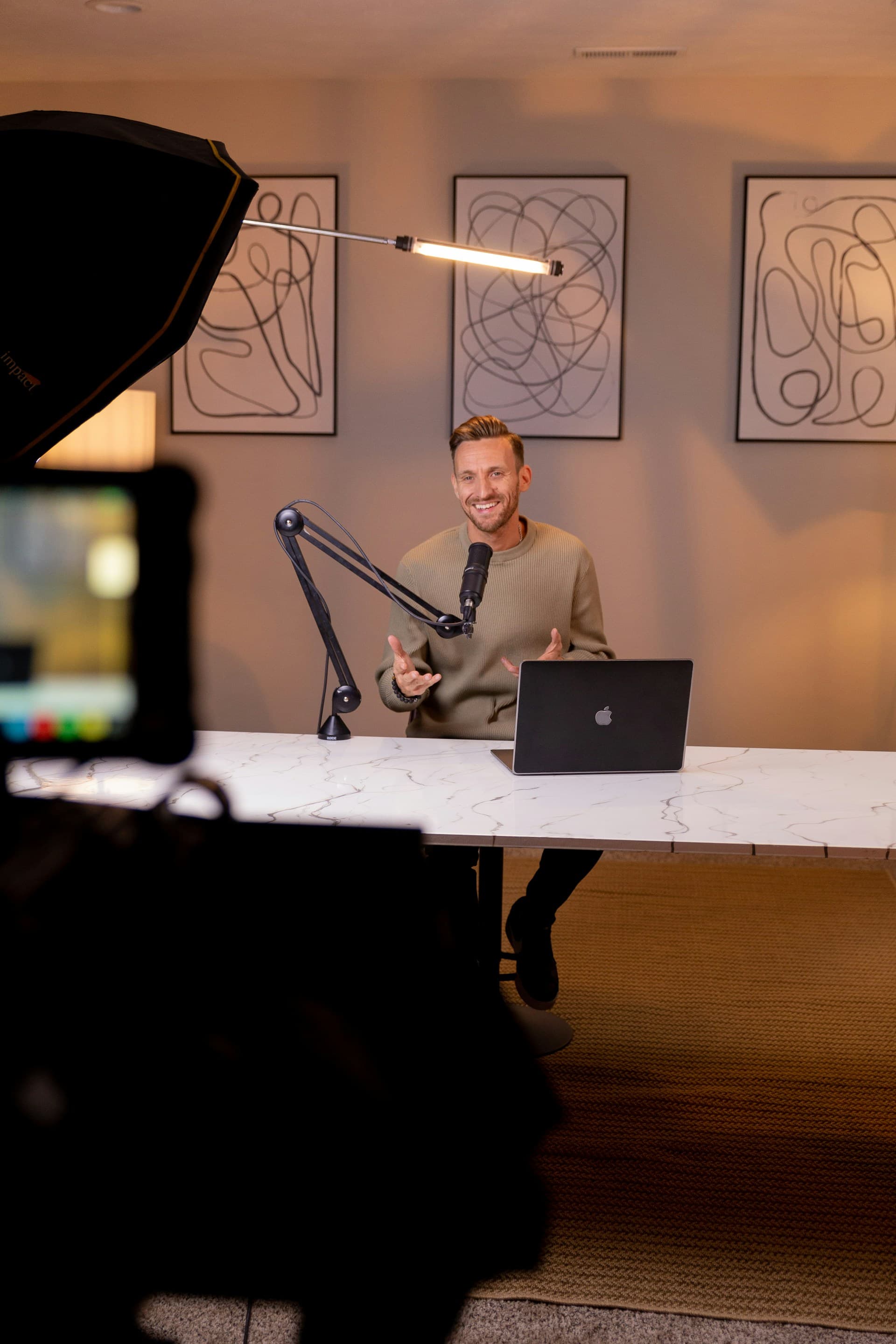
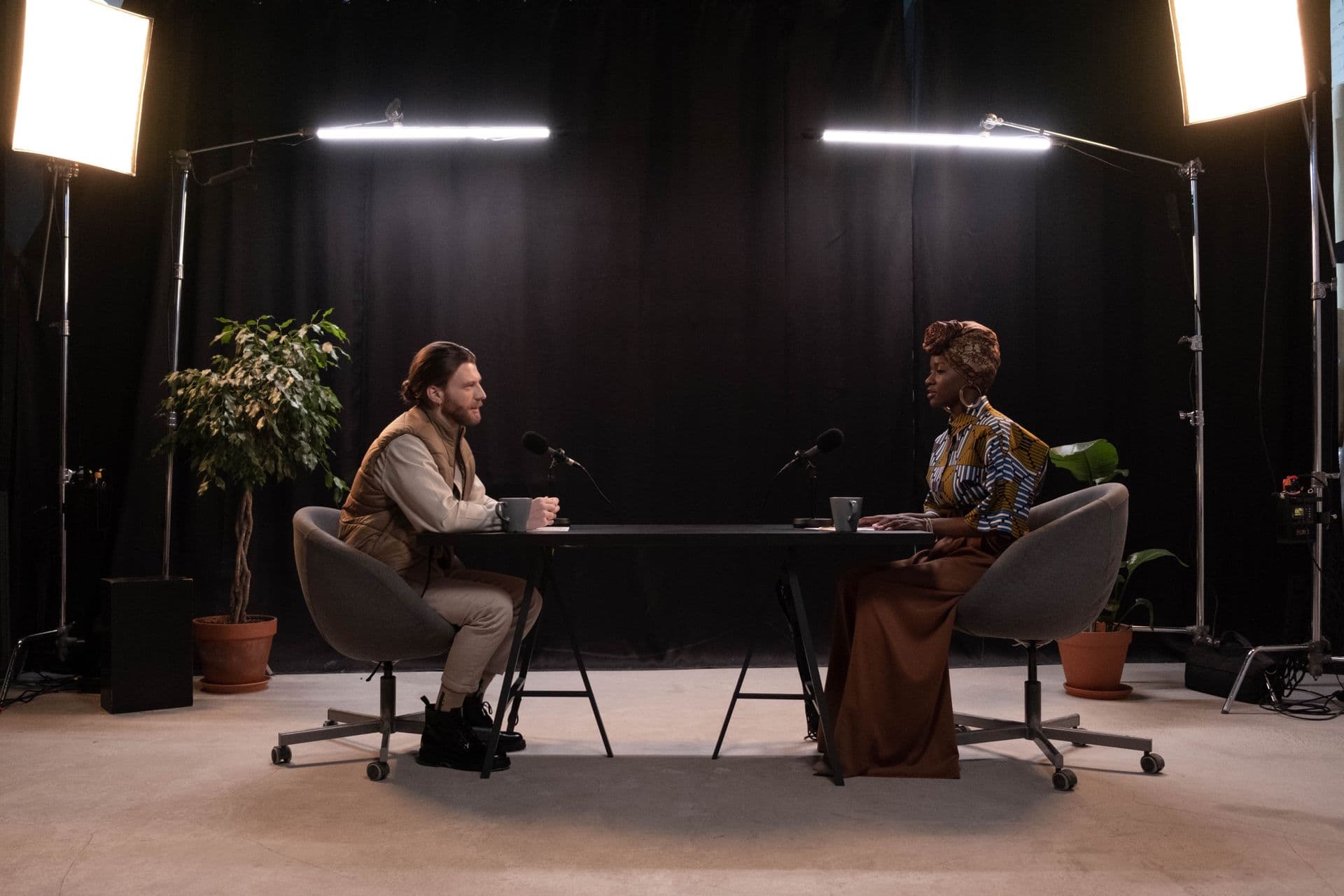
Video matters when expression, chemistry, products, demonstrations or the visual identity of the set help carry the episode. It gives a long-form conversation a home on YouTube and creates source footage for trailers, vertical clips and campaign assets.
A video podcast should still sound like a professional podcast. Separate microphone tracks, careful monitoring and engineer-led recording protect the final audio edition and make the video edit easier.
- Founder and celebrity interviews where presence matters
- Panel shows and formats built around reactions
- Product, education or demonstration-led episodes
- Brand series that need a recognisable visual world
A hybrid workflow gives you options
For many teams, the practical answer is to record both clean audio and multi-camera video in one session. The full conversation becomes the podcast and YouTube episode, while selected moments become social edits. The important part is deciding those outputs before recording so framing, pacing and file handling support them.
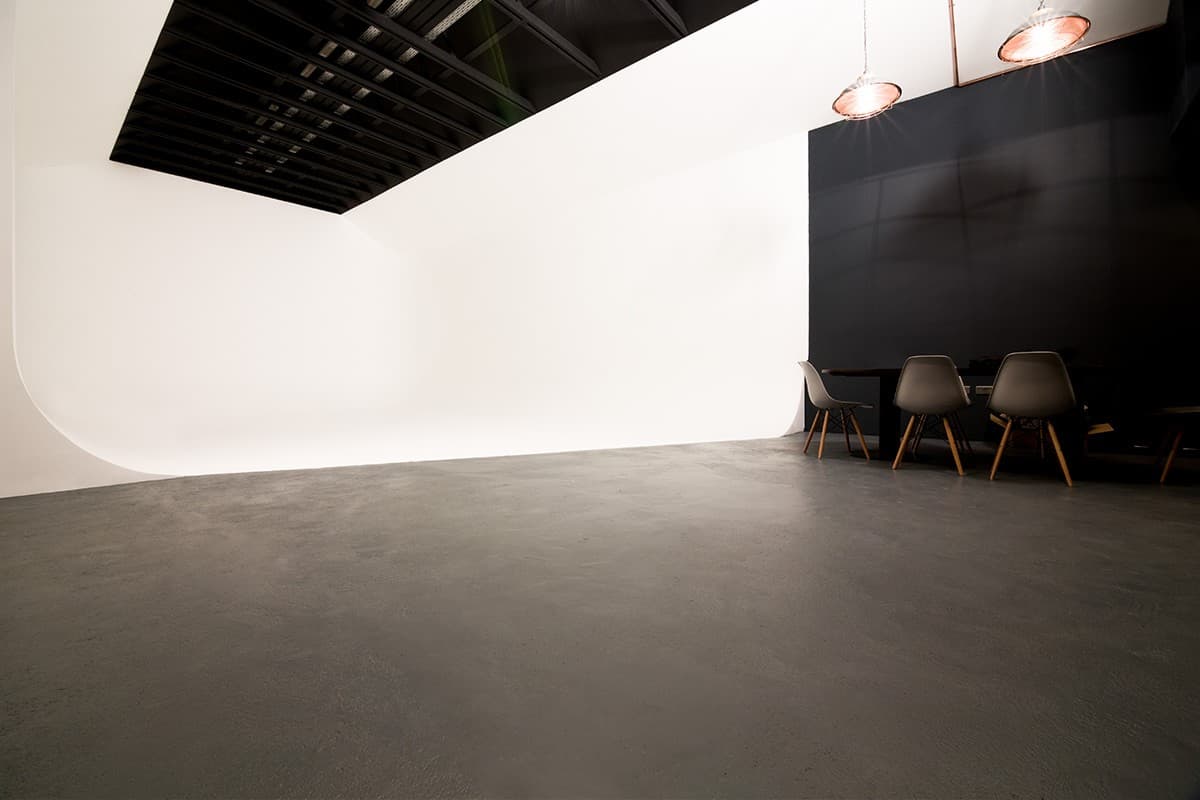
CTRL sets are designed for this hybrid workflow. You can choose a visual environment that suits the conversation while the microphones, cameras and engineer remain part of a consistent technical system.