Planning a shoot in an Infinity Cove in London
What to bring, how to plan the lighting and when a white cyclorama gives product, fashion and campaign work its cleanest finish.
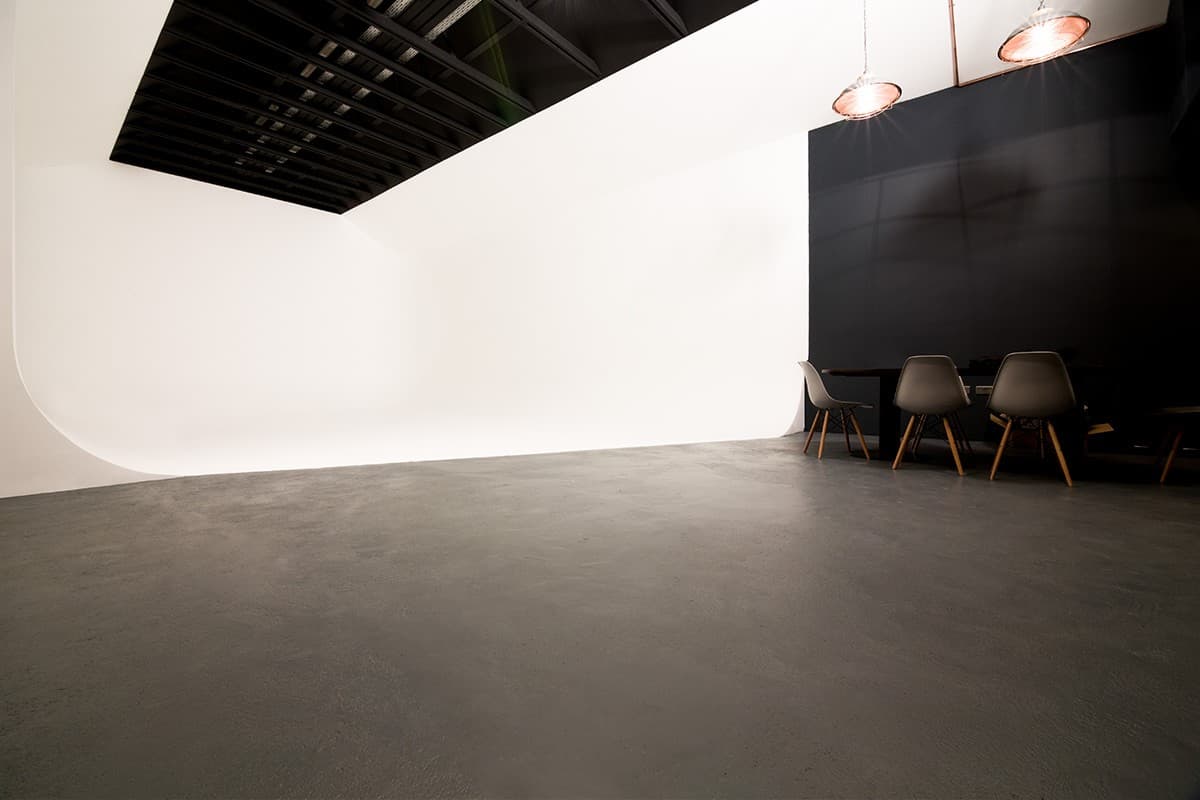
An Infinity Cove is a studio with a curved transition between the wall and floor. With no visible corner or horizon line, the background reads as one continuous surface on camera. That makes it useful for product photography, fashion, e-commerce, interviews and campaign video.
The clean result depends on preparation. A shot list, lighting plan and clear decision about whether the cove should appear pure white, soft grey or coloured will save time on the day.
Why productions choose a white cyclorama
The seamless background removes visual distractions and gives the creative team control. Products can be isolated cleanly, models can move without hitting a visible wall line and branded colour can be introduced through lighting, wardrobe or set pieces.
The CTRL Infinity Cove is in Clapton, Hackney, making it practical for East London teams looking for a production-ready Infinity Cove in London without moving a full crew across the city.
Plan the lighting before arrival
Lighting the background and subject separately gives the most control. Even illumination helps create a clean white field, while reducing background exposure produces a soft grey. Coloured light can turn the same cove into a campaign-specific environment.
Send reference frames and a simple lighting intention before the booking. The crew can then advise on space, power and setup time rather than solving the entire look after the clock starts.
- Reference images for brightness, contrast and colour
- Final aspect ratios, including vertical social crops
- Product dimensions or the number of people on set
- Any props, rails, tables or client monitoring required
Protect the cove and the schedule
White cyclorama floors show marks quickly. Clean shoes, shoe covers and a controlled movement path reduce retouching and avoid delays. Heavy props should be discussed in advance so the surface can be protected correctly.
Build setup, lighting tests and pack-down into the booking rather than treating every minute as camera time. A well-planned cove shoot feels simple because the practical decisions were made before the crew arrived.